Protect Your Kidneys: Vaccinations for People with Kidney Disease
October is a great time to review your vaccinations and prepare for flu season. If you have chronic kidney disease (CKD), receive dialysis, or have had a kidney transplant, staying up to date on recommended vaccines is an important part of protecting your health.
People with kidney disease may be at increased risk of serious complications from infections. Vaccination can help reduce the risk of severe illness, hospitalization, and other complications.
At CT Kidney & Hypertension Specialists, we encourage our patients to make preventive care a priority.
Why Are Vaccines Important for Kidney Patients?
Chronic kidney disease can affect your body’s ability to fight infections. Patients receiving dialysis may have additional exposure to infections in health care settings, while kidney transplant recipients take medications that suppress the immune system.
Infections can contribute to dehydration, changes in blood pressure, worsening kidney function, and hospitalization.
The good news is that vaccines can help protect you against several important infections.
1. Influenza: Get Your Flu Shot Every Year
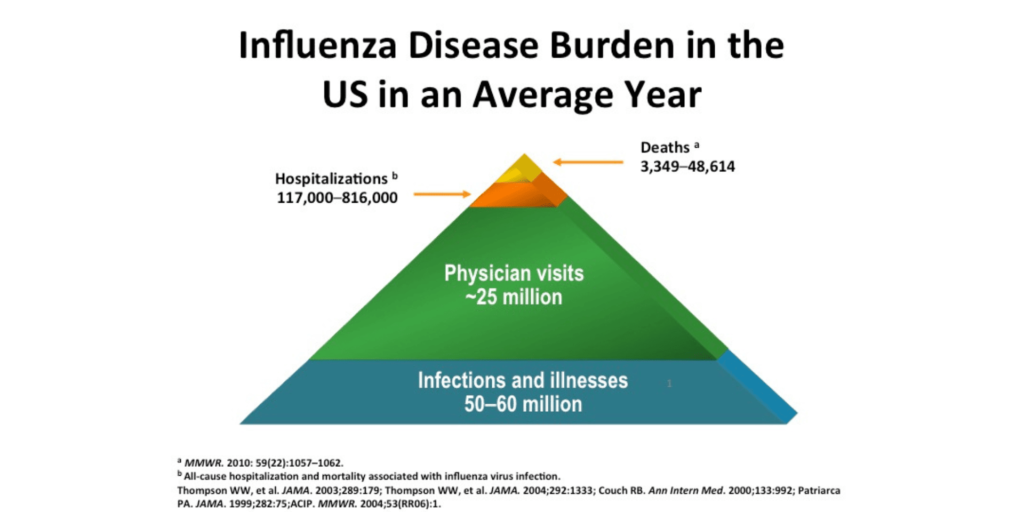
Influenza, or the flu, is more than a seasonal inconvenience. It can cause serious respiratory illness and complications, particularly in people with chronic medical conditions.
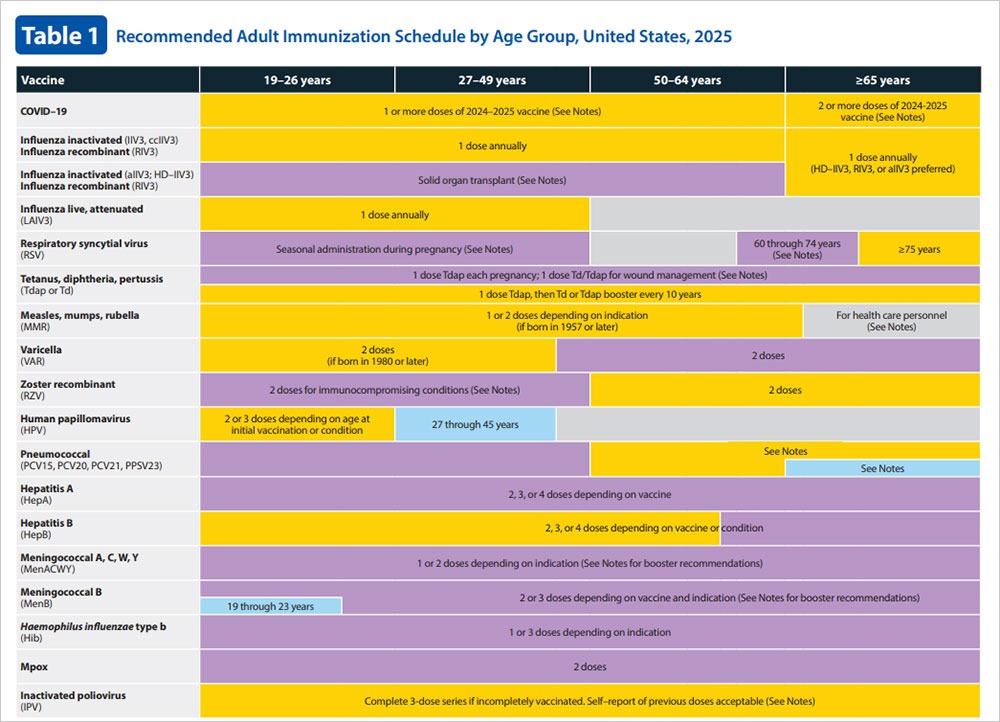
Everyone with kidney disease should review their eligibility for an annual influenza vaccine with their health care provider.
Remember:
- Get vaccinated each year.
- Do not wait until flu is widespread in your community.
- Injectable flu vaccines are appropriate for most patients with kidney disease.
- Patients with kidney transplants or weakened immune systems should avoid the live nasal-spray flu vaccine unless specifically advised otherwise by their care team.
If you develop flu-like symptoms, contact your health care provider promptly. Antiviral medications may help, but some require adjustment for kidney function.
2. Pneumonia Vaccines: Important Protection
Pneumococcal bacteria can cause pneumonia, bloodstream infections, and meningitis. These illnesses can be especially dangerous for people with kidney disease.
Depending on your age, medical conditions, and vaccination history, your provider may recommend a pneumococcal vaccine such as PCV20 or PCV21, or another recommended vaccination schedule.
Ask your clinician whether you are up to date. Previous pneumonia vaccination does not always mean that no further doses are needed.
3. Hepatitis B: Especially Important for Dialysis Patients
Hepatitis B is a viral infection that affects the liver and can spread through infected blood.
Protection against hepatitis B is particularly important for patients receiving hemodialysis. Patients with advanced CKD who may need dialysis in the future should discuss vaccination early.
Some kidney patients need a specific vaccine regimen, additional doses, or blood testing to confirm that adequate protection has developed.
If you have advanced kidney disease, ask about hepatitis B vaccination before starting dialysis.
4. COVID-19: Stay Up to Date
COVID-19 can cause severe illness, particularly in people with chronic medical conditions or weakened immune systems.
Patients with advanced CKD, dialysis patients, and kidney transplant recipients should discuss current COVID-19 vaccination recommendations with their health care team.
The appropriate timing depends on factors such as age, prior vaccination, previous infection, and immune status.
5. Shingles: Prevent Painful Complications
Shingles can cause a painful rash and persistent nerve pain.
The recombinant shingles vaccine, Shingrix, is recommended for adults aged 50 and older and for younger adults with certain immunocompromising conditions.
Kidney transplant recipients and some patients taking immunosuppressive medications may be eligible earlier.
The vaccine is given as a two-dose series. If you are planning a kidney transplant or have already received one, coordinate vaccination timing with your transplant team.
6. RSV: Protection for Eligible Adults
Respiratory syncytial virus (RSV) can cause serious respiratory illness, particularly in older adults and people with certain chronic medical conditions.
RSV vaccination is recommended for certain older adults and adults at increased risk of severe disease. Your eligibility depends on your age, health conditions, and vaccination history.
Ask your health care provider whether RSV vaccination is appropriate for you.
7. Don’t Forget Other Routine Vaccinations
Your vaccination review should also include other vaccines based on your age, health, and medical history, including:
- Tdap and tetanus boosters: Protection against tetanus, diphtheria, and pertussis.
- Hepatitis A: For eligible individuals based on medical conditions, exposure risks, or travel.
- HPV: For eligible younger adults and certain adults following shared decision-making.
- Travel-related vaccines: Depending on your destination and medical circumstances.
Your clinician can help you determine which vaccines you need.
Special Considerations for Kidney Transplant Patients
Kidney transplant recipients take medications to prevent rejection, which can weaken their immune response to infections and vaccines.
Whenever possible, recommended vaccines should be reviewed before transplantation. After transplantation, coordinate vaccination with your transplant team.
Live vaccines are generally avoided after solid-organ transplantation because of the risks associated with immunosuppression. Many non-live vaccines can be given, but timing should be individualized.
Never stop or change anti-rejection medications to receive a vaccine.
Five Steps to Protect Yourself This Flu Season
- Get your annual flu shot.
- Review your pneumonia vaccination history.
- Ask about hepatitis B vaccination, especially if you have advanced CKD or receive dialysis.
- Check your COVID-19, shingles, RSV, and other routine vaccinations.
- Keep a vaccination record and share it with your nephrologist, primary care clinician, dialysis team, and transplant team as appropriate.
If you develop a fever, shortness of breath, persistent vomiting or diarrhea, or another significant illness, contact your health care provider promptly. Early assessment can be especially important for people with kidney disease.
Take an Active Role in Protecting Your Health
Managing kidney disease involves more than monitoring laboratory results and blood pressure. Preventing infections is another important part of your care.
Don’t wait until you’re sick to protect yourself. Talk with your health care team about which vaccines are right for you.
At CT Kidney & Hypertension Specialists, we are committed to helping our patients protect their kidneys, their hearts, and their overall well-being.
Learn more about kidney health and preventive care:
- CT Kidney & Hypertension Specialists
- National Kidney Foundation: Vaccines for Adults With Chronic Kidney Disease
- CDC: Adult Immunization Schedule
This article is for educational purposes only and does not replace individualized medical advice. Vaccine recommendations may change. Consult your health care provider to determine which vaccines are appropriate for your circumstances.