

Partnering in Advanced Kidney & Hypertension Care

At Connecticut Kidney and Hypertension Specialists, we value our partnerships with primary care physicians, hospitalists, and specialty providers. Collaborative care is essential when managing complex chronic kidney disease (CKD), acute kidney injury, dialysis needs, and difficult-to-control hypertension.

With five convenient office locations serving central and northwest Connecticut, our board-certified nephrologists provide timely consultations and coordinated specialty care close to your patient’s home.

If you have clinical questions or would like to discuss a case, please contact our office to speak with one of our nephrologists or clinical staff.

For urgent matters, call our main office number to have the physician on call paged.

We will schedule your patient promptly and notify them directly with appointment details.

cks office location map in connecticut with names

Three Convenient Ways to Refer a Patient

By Fax

Download and complete our New Patient Referral Form (PDF) open in new tab icon

Fax completed forms and supporting clinical documentation to:

Torrington Office
Fax: (860) 496-2195

All Other Locations (Waterbury, Southington/Plantsville, Southbury, Cheshire)
Fax: (203) 597-9732

If submitting through your own EHR, please include: patient demographics, insurance information, recent labs, imaging, and clinical notes to avoid delays.

By Phone

Waterbury, Southington/Plantsville, Southbury, Cheshire
Phone: (203) 597-9733

Torrington
Phone: (860) 489-1984

Our staff will coordinate scheduling and communicate directly with your patient.

Hours of Operation

Monday – Friday: 9:00 am – 5:00 pm
Saturday & Sunday: Closed

A physician is available after hours for urgent clinical matters.

Electronically (coming soon)

We will soon accept referrals through the Connie portal.

connie logo

Connie is Connecticut’s official Health Information Exchange (HIE). This secure platform allows providers to share clinical information efficiently and confidentially, supporting seamless patient transitions and continuity of care.


Electronic referral capability will streamline documentation transfer and enhance coordination between referring providers and our nephrology team.

Common Reasons for Referral

doctors in office having kidney conversation

Click here to learn more about common patient referral reasons related to kidney disease, kidney related diseases and hypertension.

Helpful Resources for Referring Providers

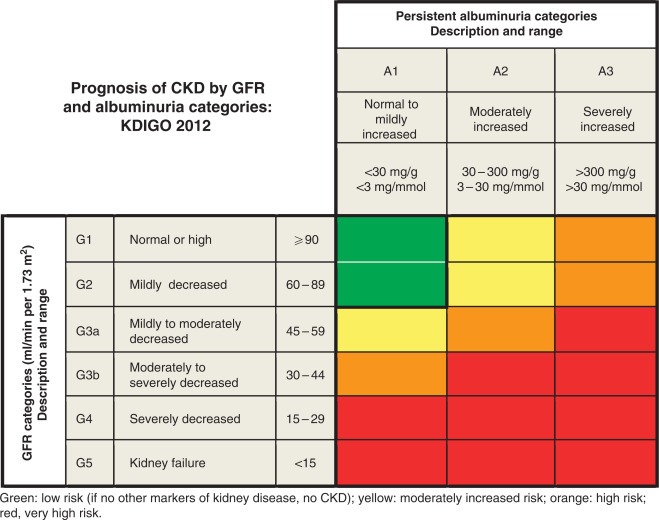
A helpful nomogram to assess prognosis of CKD by eGFR and amount of microalbuminuria 

ckd referral map

Determine the Risk of Progression to CKD

Determining the probability of kidney failure may be useful for patient and provider communication, triage and management of nephrology referrals and timing of dialysis access placement and living related kidney transplant. This four variable equation accurately predicts the 2 and 5 year probability of treated kidney failure (dialysis or transplantation) in patients with CKD stage 3-5.

Risk for Progression to CKD

Provided by National Kidney Foundation – A 5 step plan for CKD evaluation and Referral

Risk of recurrent Stone Disease

Researchers at the Mayo Clinic have created a handy tool called Recurrence Of Kidney Stone (ROKS) model for public use that can help determine if you’ll have a recurring problem with kidney stones.  The online calculator uses a number of factors about a person’s lifestyle and health history to determine if they are at risk for the issue again after experiencing it once.

Patient-Centered Education Program

At Connecticut Kidney and Hypertension Specialists, we offer an extensive education program that helps patients with advancing chronic kidney disease to improve their lives.

Learn more here.

Frequently Asked Questions

1. How can providers refer patients?

Referrals can be made by contacting our office and providing the necessary patient information and medical records.

2. What information is needed for a referral?

Referrals typically include patient demographics, medical history, and relevant lab results.

3. Do you communicate with referring providers?

Yes. We coordinate closely with referring providers to ensure continuity of care.

4. How quickly are referred patients seen?

Scheduling timelines vary, but we aim to see patients as promptly as possible based on urgency.