
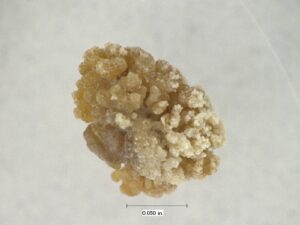
 Why Kidney Stones Peak in Summer Heat
Kidney stones don’t take the summer off—in fact, they tend to occur more frequently during the hottest months of the year.
The main reason is dehydration from heat and sweating, which leads to concentrated urine. When urine volume decreases, stone-forming minerals such as calcium, oxalate, and uric acid become more likely to crystallize.
This is the key mechanism:
Heat → increased sweating → fluid loss → dehydration → concentrated urine → kidney stone formation
Summer lifestyle factors can further increase risk:
- Outdoor activity and prolonged heat exposure
- Barbecues with high-sodium foods (hot dogs, processed meats)
- Soda and sugary beverages replacing water
- Alcohol consumption during travel and social events
- Beach days and reduced access to consistent hydration
In simple terms:
Kidney stones are more common in summer because dehydration is more common in summer.
Is Kidney Stone Risk Really Higher in the Summer?
Yes. Multiple studies confirm a seasonal increase in kidney stone events during warmer months.
The primary driver is not just diet, but environmental dehydration, which leads to lower urine volume and higher urine concentration.
Even individuals who feel “well hydrated” often produce less urine in hot climates than they realize.
Who Is at Risk for Kidney Stones?
Kidney stones are far more common than most people think.
- Lifetime risk: ~10–12% of adults
- Recurrence risk: up to 50% within 5–10 years
- Family history significantly increases risk (often 2–3× higher)
Major risk factors include:
- Chronic low fluid intake
- High sodium diet
- High animal protein intake
- Obesity and metabolic syndrome
- Prior kidney stones (strongest predictor of recurrence)
- Gastrointestinal or malabsorption disorders
- Family history of kidney stones
One important clinical point:
Even patients with excellent diets can still form stones due to underlying metabolic or genetic risk.
Genetics and Kidney Stones: More Common Than Expected
Genetics plays a much larger role in kidney stone formation than most patients realize.
Inherited factors can affect:
- Calcium handling in the kidneys
- Oxalate metabolism
- Uric acid regulation
- Urine pH balance
This is why kidney stones often “run in families.”
A key takeaway:
Many patients are surprised to learn that kidney stones are not always lifestyle-driven—they are often a combination of genetics and environment.
Types of Kidney Stones (and Why They Matter)
There are several different types of kidney stones, and identifying the type is essential for prevention.
- Calcium oxalate stones (most common)
- Calcium phosphate stones
- Uric acid stones (often related to acidic urine and metabolic syndrome)
- Struvite stones (infection-related)
- Cystine stones (rare, genetic)
Clinical importance:
Stone type determines prevention strategy more than stone size or number.
Why Nephrology Evaluation Matters
A kidney stone should not be viewed as an isolated event—it is often a metabolic warning sign.
A nephrology workup typically bgins with:
- Blood testing (kidney function, calcium, uric acid, electrolytes)
- Urine studies
- 24-hour urine metabolic testing
A key tool in evaluation is a 24 hour urine – Litholink https://litholink.labcorp.com/ , which provides a detailed metabolic profile to identify the underlying cause of stone formation.
This testing helps answer the most important clinical question:
“Why is this patient forming kidney stones?”
Without this evaluation, prevention is often generalized. With it, treatment becomes individualized and significantly more effective.
If You Pass a Kidney Stone: Don’t Throw It Away
If possible, the stone should always be collected and analyzed.
A simple method:
- Use a clean strainer or coffee filter when urinating
- Save any solid material
- Bring it for laboratory analysis
Stone analysis can directly change:
- Diagnosis
- Treatment plan
- Long-term prevention strategy
Kidney Stone Prevention and Treatment
1. Hydration (most important factor)
Adequate fluid intake is the foundation of prevention.
A practical goal is to maintain high urine output throughout the day, typically resulting in pale yellow urine. See our hydration guide for detailed fluid targets. https://www.ctkidneyspecialists.com/hydration-and-kidney-health-a-balanced-guide/
2. Diet and Kidney Stones
Diet plays an important role, but it is often misunderstood.
Key recommendations:
- Reduce sodium intake (major driver of urinary calcium)
- Moderate animal protein intake
- Maintain normal dietary calcium (important for binding oxalate in the gut)
Low-oxalate diets
These are often overemphasized.
In many patients:
- Strict oxalate restriction is difficult
- Benefits are limited compared to hydration and sodium reduction
- Diet should be individualized based on urine testing
3. Citrate: Natural and Medical Options
Citrate helps prevent kidney stones by binding calcium and reducing crystal formation.
Natural sources:
- Lemons
- Limes
- Oranges
Adding lemon to water can increase citrate intake, but:
- The effect is modest
- It is not sufficient alone for high-risk stone formers
For patients with low urinary citrate, potassium citrate therapy https://moonstonenutrition.com/ is prescribed and guided by urine testing.
Some over-the-counter citrate supplements exist, but their effectiveness varies and should be used under medical guidance.
4. Alternative Therapies
Many supplements and “natural remedies” are marketed for kidney stones.
However, the most effective approach is:
Diagnosis first, then targeted therapy.
Management should be guided by:
- Stone type
- 24-hour urine results
- Individual metabolic risk profile
Why Kidney Stone Recurrence Matters
A first kidney stone is often a warning sign of an underlying condition.
Without prevention, recurrence is common and may lead to:
- Repeated ER visits or procedures
- Chronic pain episodes
- Potential long-term kidney damage in severe cases
- Reduced quality of life
Importantly:
Even a single nephrology evaluation can significantly reduce recurrence risk.
Final Thought
Kidney stones are more common in the summer due to heat-related dehydration, but they are also highly Preventable once the underlying cause is identified.
At CT Kidney and Hypertension Specialists, the focus is not only on treating kidney stones, but on identifying why they form and preventing them from returning.
While summer heat may trigger the first stone, proper evaluation and prevention ensure it does not define future summers.